
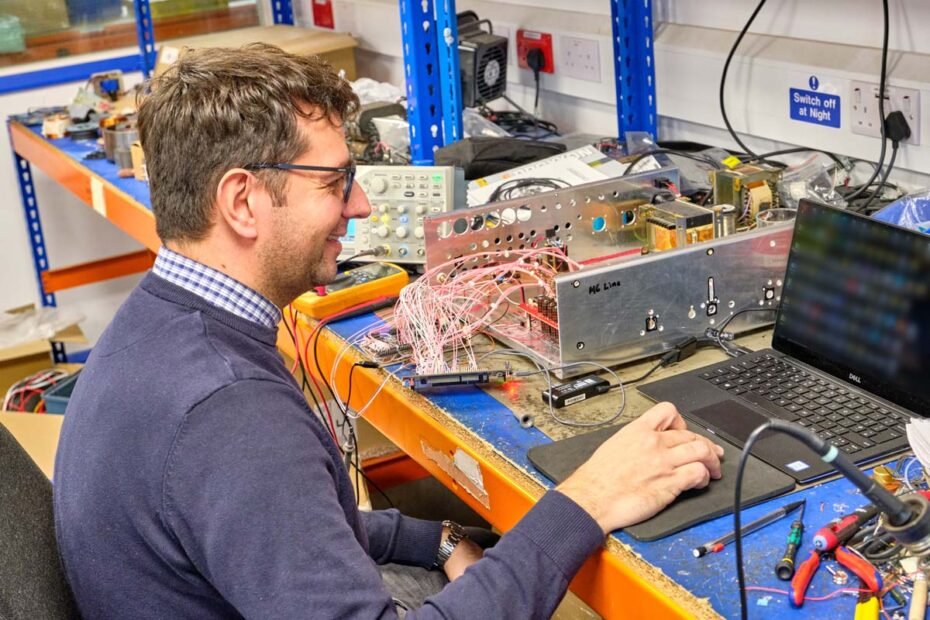
A different starting point
Twelve years. A resistor ladder topology designed from the ground up. And a digital-to-analogue converter built on a principle that, in an era increasingly shaped by artificial intelligence, sounds almost heretical: if we want something to sound like music, we do not begin by thinking like a computer.
When Vincent Bélanger, the brand’s musical ambassador, arrived in Lisbon in 2024, his cello did not survive the journey intact. What followed — a repair made possible by a local luthier, a borrowed cello from another musician, and a performance that still went ahead — revealed something that, in hindsight, feels aligned with Audio Note’s mindset: problems are treated as matters of craft, not convenience.
It is this instinct that underpins IZVOR (pronounced is-vor, from the Slavic word for “source” or “spring”), the new discrete R2R DAC module from Audio Note (UK), developed over twelve years and now integrated into its reference-level range.
What the IZVOR actually is
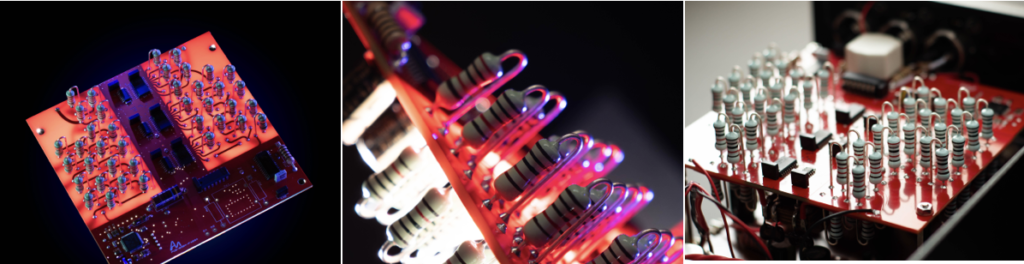
At first glance, IZVOR enters familiar territory. Discrete R2R DACs are no longer exotic, and the topology is well established.
The manufacturer’s argument is more direct: the limitation of resistor ladder DACs has never been the architecture itself, but the components used to implement it.
“If we want a ladder DAC to sound analogue, we do not build it like a computer. Instead, we use resistors of the same calibre as those used in our phono stages.”
Peter Qvortrup
Historically, most ladder DACs rely on SMD resistor arrays — components optimised for consistency, size, and cost. IZVOR abandons the conventional DAC chip approach entirely, adopting a fully discrete architecture built around larger, audio-grade resistors.
At its core sits a newly developed 1-watt resistor, designed specifically for this project, with tolerances below 1%.
Why resistance matters
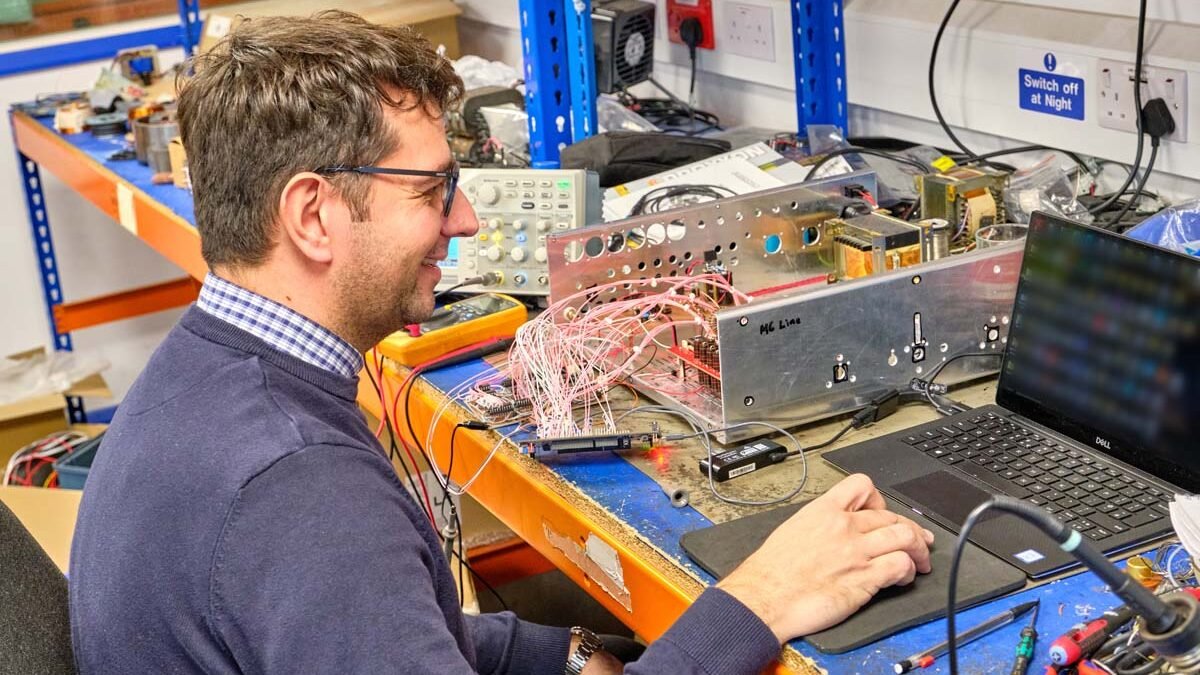
According to designer Darko Greguras, this was not a marketing decision but an auditory conclusion. After extensive testing across a wide range of resistor types, the team identified a subtle temporal blur in common components — difficult to measure, but clearly audible in listening tests.
The response was structural: new resistors, a Ladder DAC architecture, and a proprietary conversion code developed with Andrejs Dmuhovskis.
The focus shifts away from static measurement toward behaviour — where ambience, decay, and micro-spatial information define the perception of realism.
A product? No. A position.
Whether IZVOR fully delivers on its promise can only be judged through listening.
But its positioning is already unambiguous.
It is framed against a way of thinking, not against competitors.
This echoes something Daniel Qvortrup described in a recent interview with the MoustachesToys team:
“The only common element between them should be that each one has something unique.”
Daniel Qvortrup
Rather than tuning against a reference recording — assuming we already know how things “should” sound — the goal becomes preserving differences between recordings.
In this context, IZVOR is not about convergence. It is about differentiation.
An analogue mindset in a digital domain
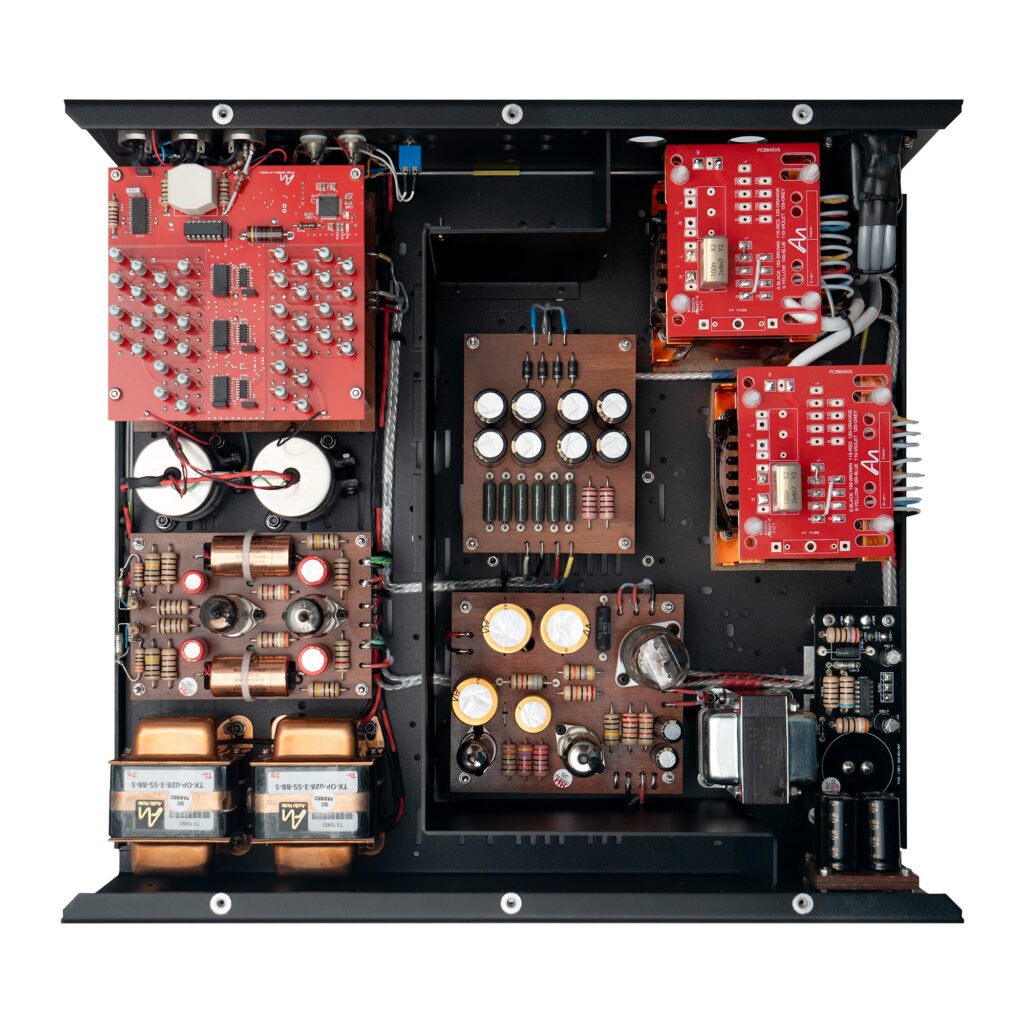
This helps clarify a broader philosophy within Audio Note’s digital approach: no oversampling, no digital filtering, and no attempt to “correct” everything into sterility.
Instead, emphasis is placed on materials, topology, and tuning — concepts closer to instrument making than conventional digital engineering.
It is, inevitably, a philosophical position.
And a contrarian one. In a landscape where digital audio is often judged through metrics and technical abstractions, Audio Note continues to prioritise experience over specification.
“There is an emotional place we are trying to reach through our equipment.”
Daniel Qvortrup
Availability and implementation
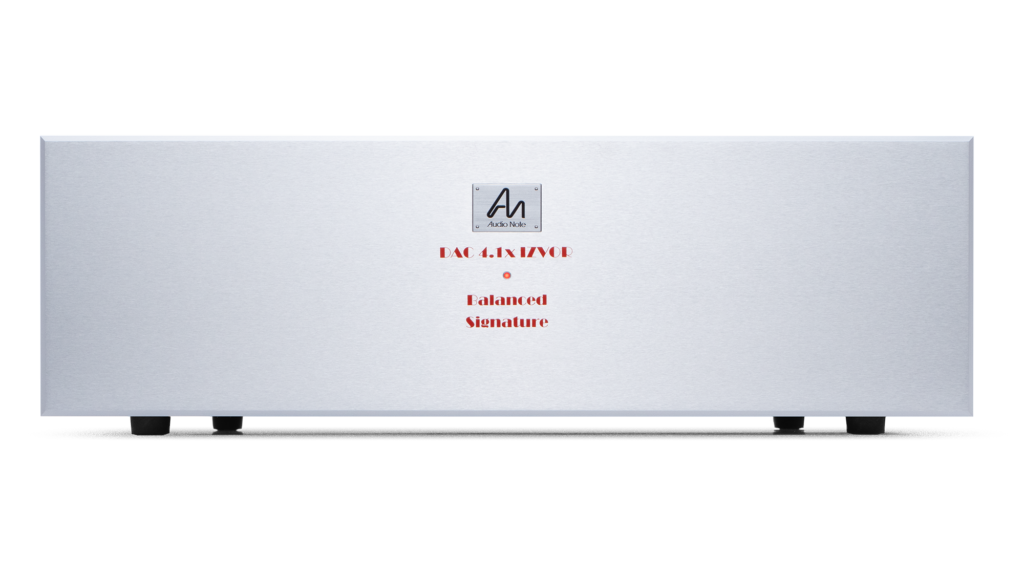
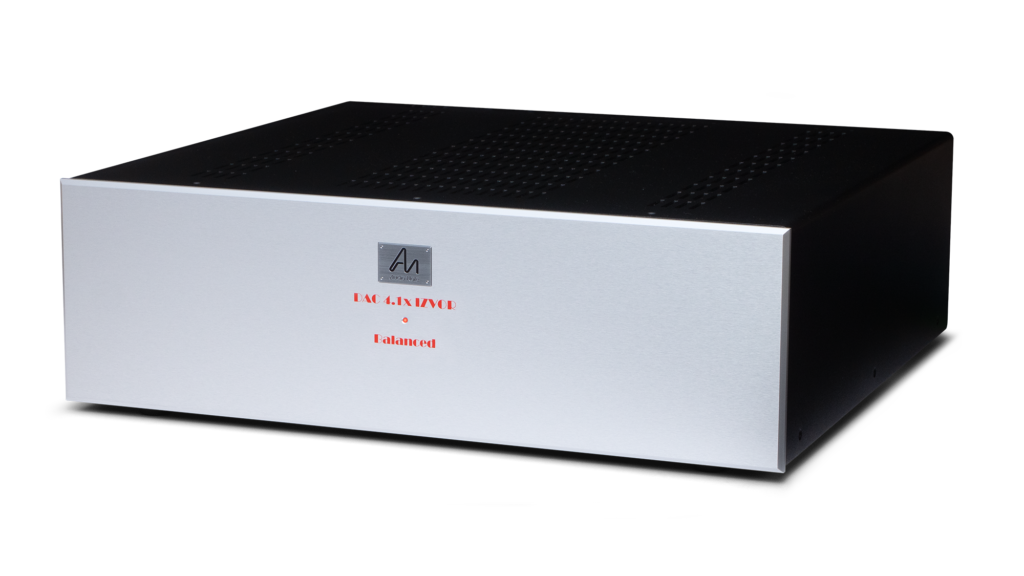
IZVOR is being introduced across Audio Note’s reference-level DAC range, including:
- Fifth Element
- DAC5
- DAC4.1 Balanced
An upgrade path is available for existing owners of these models.
As is typical for the brand, pricing is provided on request through authorised distributors.
What remains unproven
For now, IZVOR is more a statement than a verdict.
Not due to technical immaturity — twelve years of development suggests otherwise — but because its core assumptions exist in a space that cannot be resolved through specifications alone.
If anything, this release reinforces a familiar idea: digital audio is not a solved problem.
And progress does not always come from being faster, smaller, or more efficient. Sometimes it comes from doing the opposite — in ways that appear irrational on paper.
Or perhaps, from returning to the source.
Pingback: A Fonte da Coisa: o DAC R2R IZVOR e a recusa da Audio Note em pensar como um computador - MoustachesToys | High-End Audio Reviews & Experiences