A review dos HEDDphone Two GT em português
I come from the generation of the Citroën AX GT, the Polo G40, and other pocket rockets that filled the roads of the 1990s with more enthusiasm than common sense. A time when, fresh out of adolescence and with a driver’s license still smelling of fresh ink (yes, it was paper back then), the biggest risk was misjudging a corner… and losing the car. With your life following shortly after.
The fact that I’m writing these lines in 2025, with three decades of road experience behind me and 50 years officially on the clock, makes it clear that I was not one of the casualties of the Uno Turbo i.e. era.
I picture a meeting — long, and fuelled by deeply irresponsible amounts of coffee — where HEDD Audio decided to add the GT suffix to the HEDDphone TWO. And I suspect the inspiration comes straight from that same automotive mindset: more flair on the road, more driving pleasure, and far less obsession with lap times.
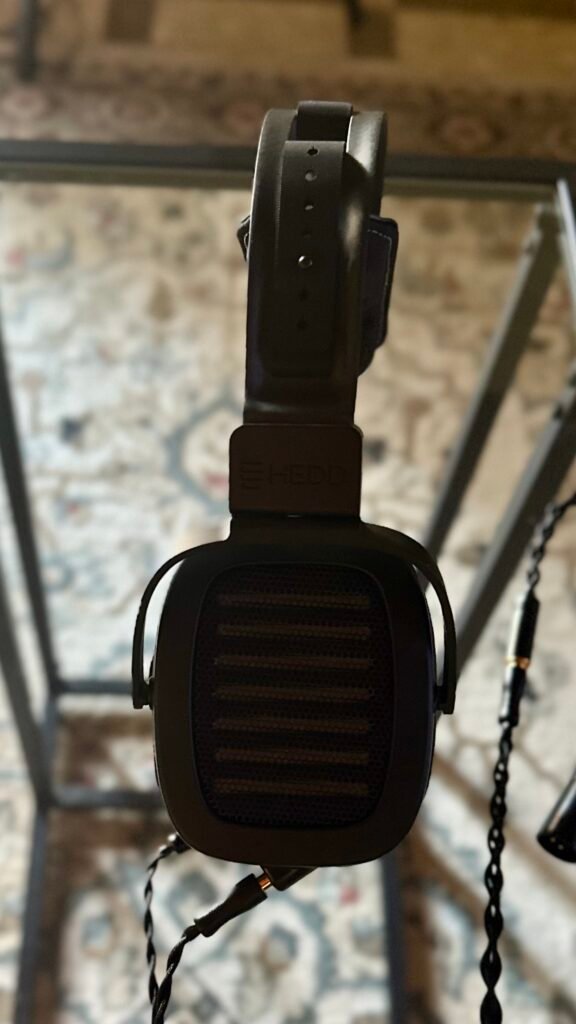
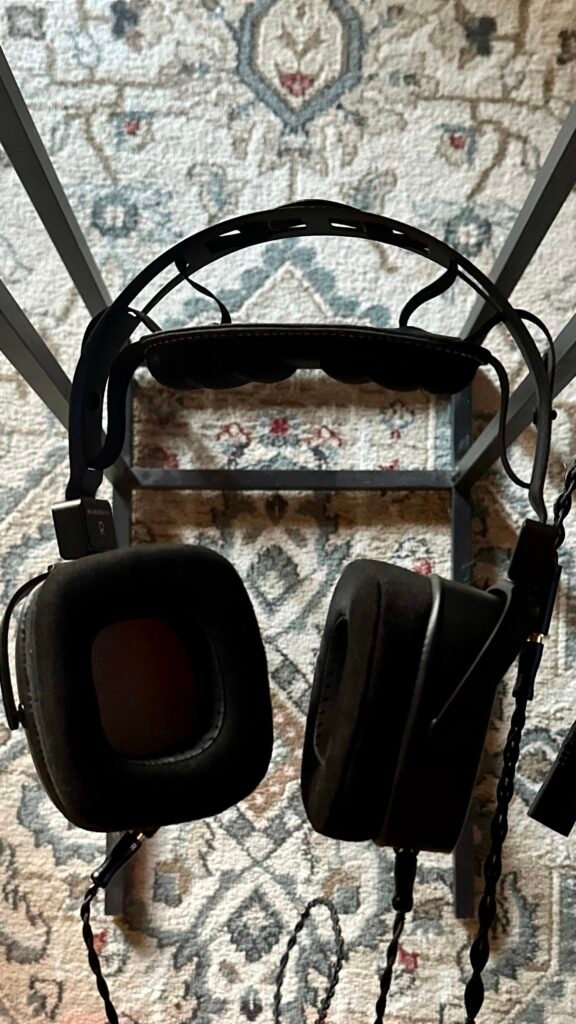

Don’t be fooled by the familiar look. The HEDDphone TWO GT is far more different from the “non-GT” model than the photos might suggest.
They retain HEDD’s proprietary AMT driver, remain fully open-back, and still demand competent amplification. But their positioning is clearly deliberate: less studio absolutism, more focus on musical enjoyment.
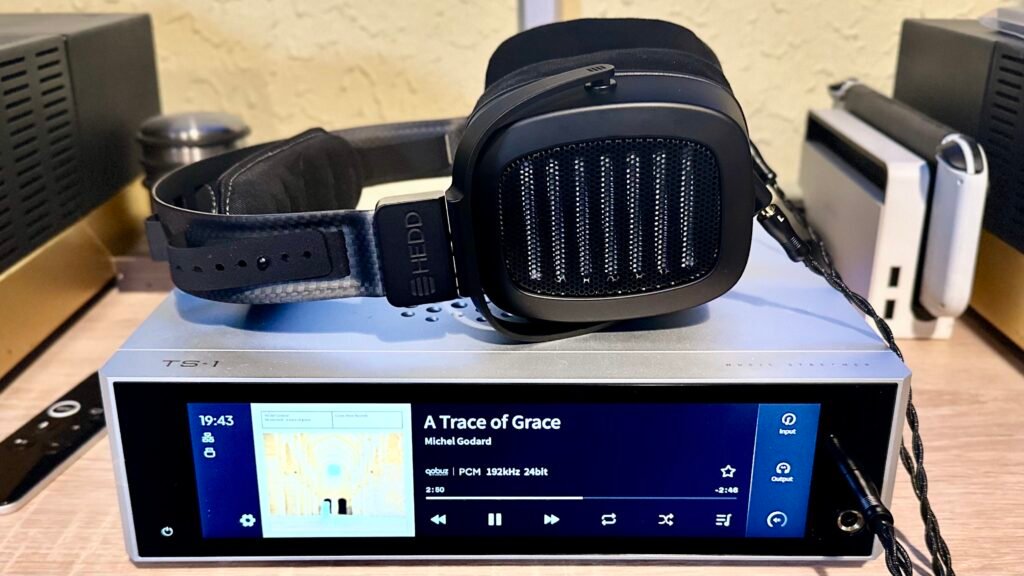
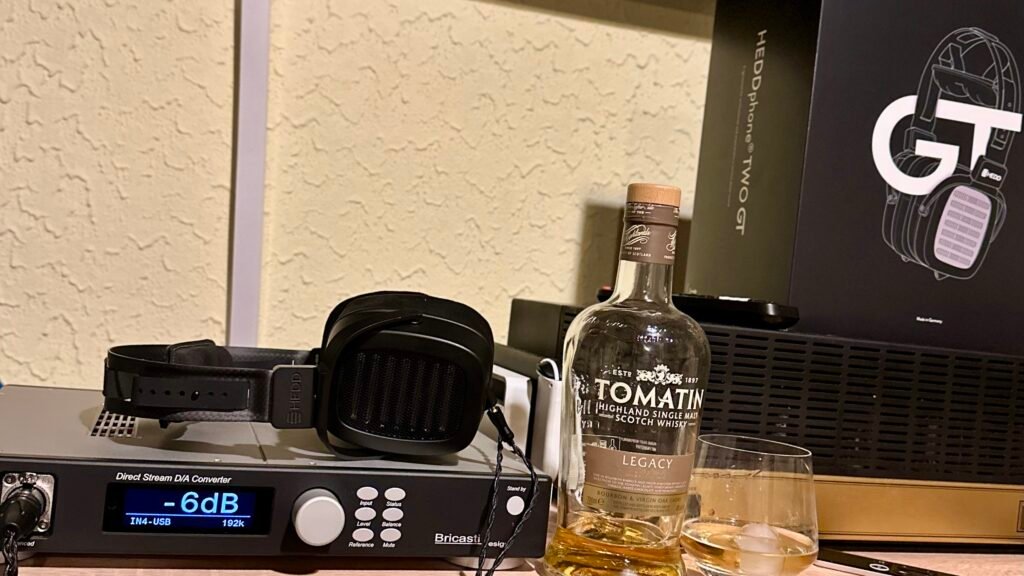
The arrival of the HEDDphone at Moustaches Tower for review coincide, rather fortunately, with the return of the Matrix Audio TS-1, which had also been here for evaluation. The pairing immediately revealed rare synergy. This impression was later confirmed with the Bricasti M3, whose integrated headphone amplifier effortlessly demonstrated the GT’s scalability and maturity across very different price brackets.
Build Quality, Materials & Ergonomics

Materials and Robustness
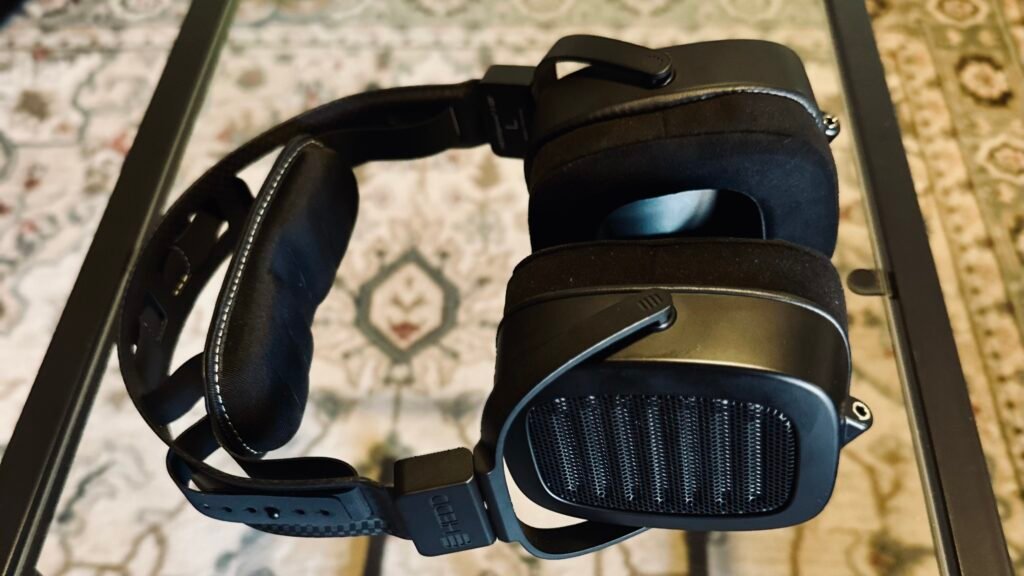
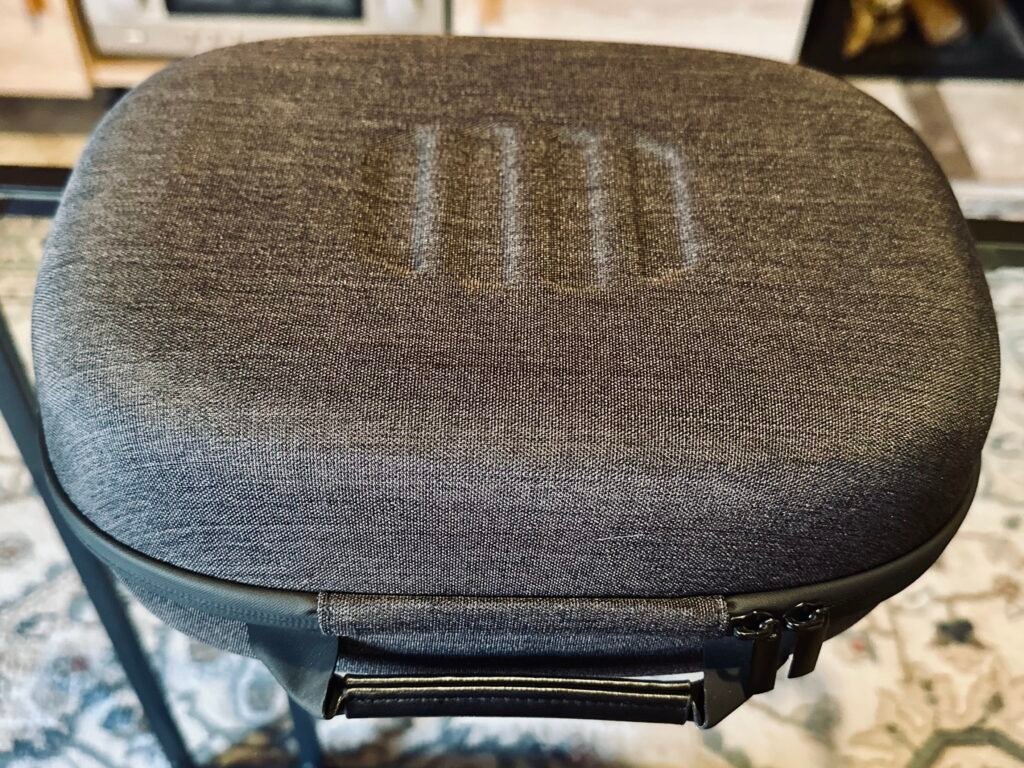
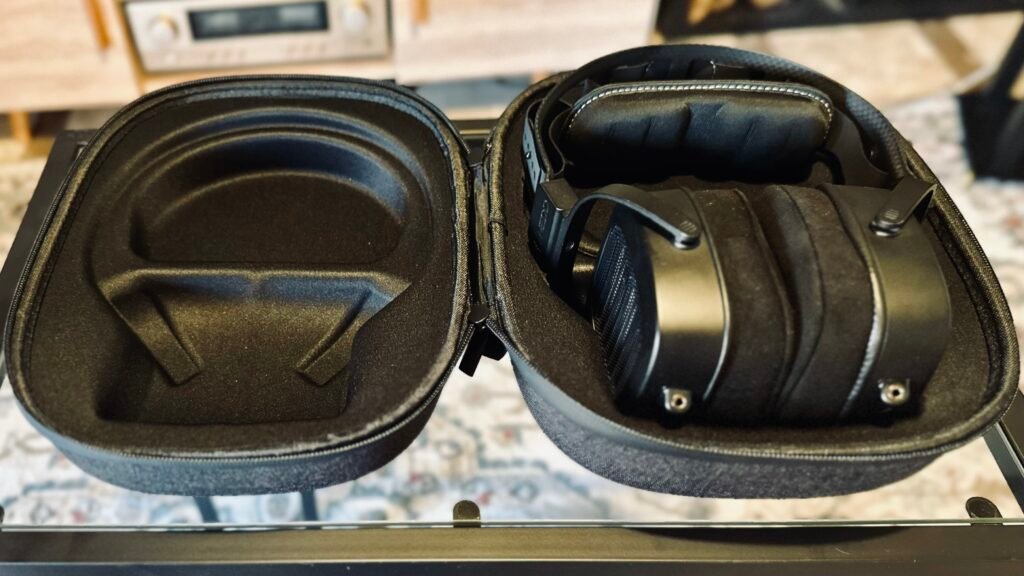
As with the original TWO, build quality inspires confidence. Premium materials, careful assembly, and a reassuring sense of solidity leave little doubt about long-term durability.
Comfort
No miracles here: these are not featherweights. Still, weight distribution is well judged, and comfort remains in line with the TWO. Long listening sessions are entirely feasible — though you’ll never forget they’re on your head.
Usability
Adjustments are smooth, stability is secure, and ergonomics convey functional refinement. No exotic solutions designed to impress industrial designers. Here, it’s form follows function.
Cables and Accessories
Once again, HEDD gets it right.
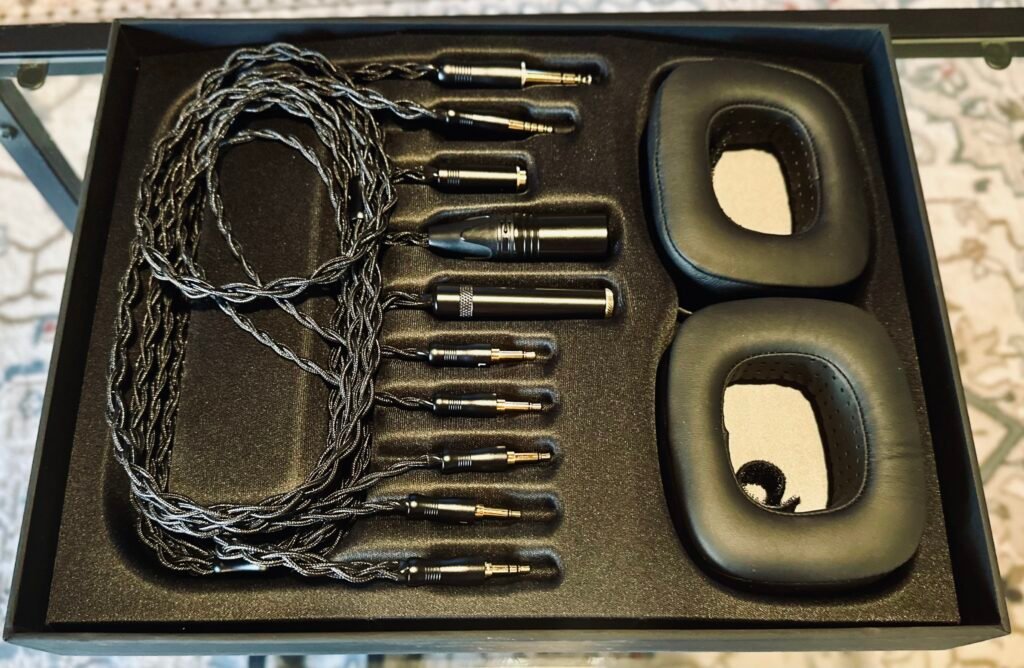
The cable set is complete, light, flexible, and offers multiple terminations. Compatibility with portable, desktop, and balanced setups is immediate. It’s a reference package — there’s no urge to go hunting for upgrades. Which, in an audiophile world obsessed with swapping cables like racing tyres, is genuinely refreshing.
Technology and Specifications
Proprietary AMT driver, open-back design, high current demand — but with enough sensitivity to work well with competent amplification, not necessarily something monstrous.
That said, these headphones scale decisively with higher-end electronics.
And they do so without changing character. A true GT: relaxed at cruising speed, entirely comfortable when you push harder.
Overall Sound Signature
The TWO GT decisively moves away from the more clinical, studio-oriented tuning of the original TWO.
The voicing is more energetic, more physical, more inviting.
These are HEDD headphones designed for you to enjoy music. Not to train armchair coaches.
Bass
Bass on 24 Hours by Tom Jones is deep and surprisingly physical for an AMT.
There’s body in the mid-bass, and impact that doesn’t try to impress — it simply convinces.
This is not a basshead headphone, but it is authoritative, musical, and well controlled. It’s not the driest bass I’ve heard. It’s bass that breathes.
Midrange
Rich, warm, and forgiving.
Voices have harmonic density and natural presence; acoustic instruments have body, texture, and continuity.
Transparency is there. Microdetail too. They’re just not displayed like trophies.
Treble
There’s energy and airiness on the top, without excess — for those who know my sensitivity in this region, will understand.
The result is long, relaxed, fatigue-free listening.
Detail without aggression is always a win. And here, HEDD wins by technical knockout.
Soundstage, Space & Imaging
A well-organised soundstage with good width and solid positioning.
The warm-leaning tuning and carefully measured treble produce edges that are rounded, yet clearly defined.
It is not drawn with Indian ink precision. It’s more like a Japanese brushstroke.
In the end, what matters is there: music that vibrates, motivates, and moves.
Dynamics, Attack & Speed
Speed and resolution remain strong suits of the GT.
Complex passages stay clear and controlled, with no sense of compression.
Macrodynamics are expressive and almost physical; microdynamics favour emotional flow over clinical dissection. A conscious choice — and the right one.
Timbre, Texture & Realism
Slightly warm, relaxed tonality.
The sound is fleshy, has weight and continuity.
It’s deeply natural and immersive — the kind that makes you forget the analysis, and listen to the entire album… and then play another one.
Amplification and Source Synergy
It scales!
The Matrix Audio TS-1 proved to be an exemplary match, balancing control and musicality while making it clear that you don’t need to sell a kidney to truly enjoy the GT.
The Bricasti M3 raised the bar even further, adding yet more realism, authority, texture, and space.
The character didn’t change. It simply reveals more of what’s already there.
Comparisons

It wouldn’t be intellectually honest to compare them directly with my personal reference, the RAAL Requisite CA-1a — especially since they’ve long since left. Still, auditory memory allows for a few observations:
The GT approaches the level of detail of the Serbian ribbons, but its musicality comes more from timbre than from ultra-resolution. Both are precise in the bass.
The GT sounds more natural tonally, less informational in the mids, and clearly more forgiving in the treble — the CA-1a’s least friendly area.
Where the GT wins outright is in everyday usability. No hardware circus required to make them shine like in the RAAL’s.
Musical Preferences and Use Cases
They shine with jazz, vocals, acoustic music, classic rock, and more contemplative genres.
Less suitable for extreme metal, aggressive electronic music, or genres that rely heavily on treble bite.
This isn’t a track car. It’s a GT.
Conclusion

The HEDDphone TWO GT is not just a revision.
It’s a statement of maturity from a brand that clearly understands what music lovers actually want.
More musical. More universal. More human.
It retains HEDD Audio’s identity while moving closer to the listener.
It’s not designed to impress in five minutes. It’s designed to stay.
Pros & Cons
Pros
- Solid, refined construction
- Reference-level cables and accessories
- Physical, engaging bass
- Natural, relaxed sound signature
- Excellent scalability
Cons
- Good detail, but not the most analytical
- Require competent amplification to shine
Honestly?
Grab this GT, cue up one of those playlists you save for mountain-road drives, sit down in front of your amplifier…
…and suddenly, it smells like burnt rubber.
Pingback: Bricasti M3H Review — Precision That Breathes - MoustachesToys | High-End Audio Reviews & Experiences
Pingback: Agora Sim, Um GT - review HEDDphone Two GT - MoustachesToys | High-End Audio Reviews & Experiences