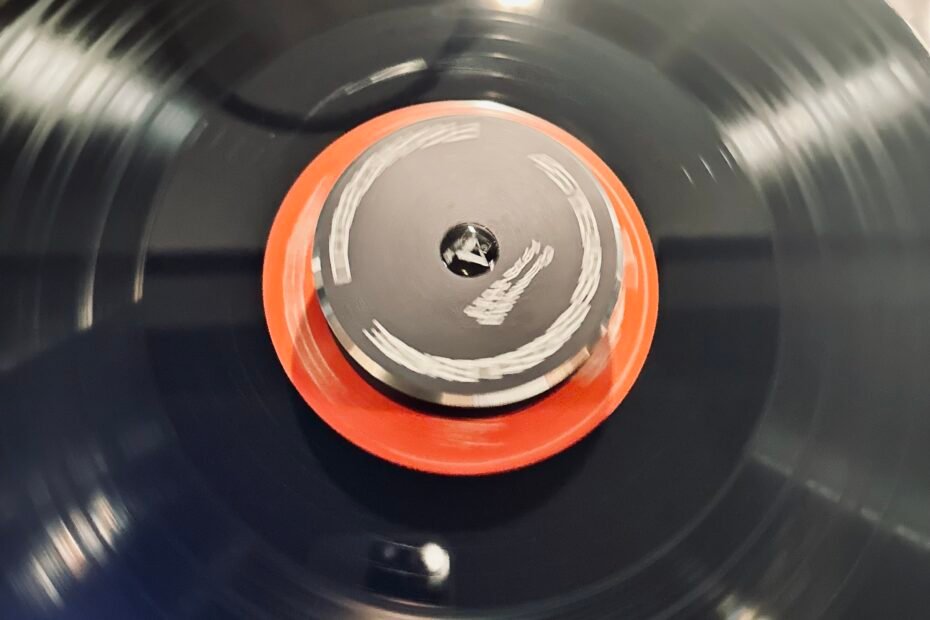
If digital can offer greater resolution, why do so many still prefer vinyl?
I know a couple where he supports Benfica and she supports FC Porto. That is the same level as Real Madrid and Barcelona rivalry, but in Portuguese terms. Both attached a level of importance to football allegiance that I already considered rather disproportionate at the time. You guessed it! Football days were not easy, and I suspect he spent those nights sleeping on the sofa. Another debate capable of dividing people, especially those who take music seriously is: vinyl or digital? I have no intention of settling an argument that has spanned generations of audiophiles, online forums, listening rooms and, quite possibly, a few marriages along the way.
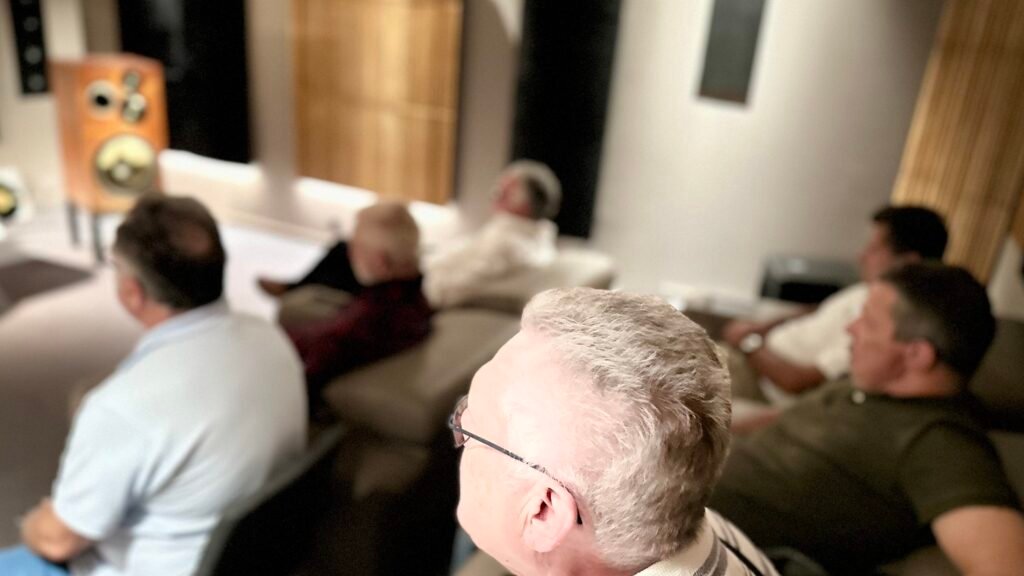
Last Saturday in Porto, Ultimate Audio seemed intent on adding fuel to this discussion. The first Ultimate Sessions of the season offered music lovers two rooms, two system configurations and two very different listening experiences. Both rooms remained full throughout the afternoon I was there. Which, let’s face it, is good news for anyone who still believes that listening to music deserves more than a few seconds squeezed between two smartphone notifications.
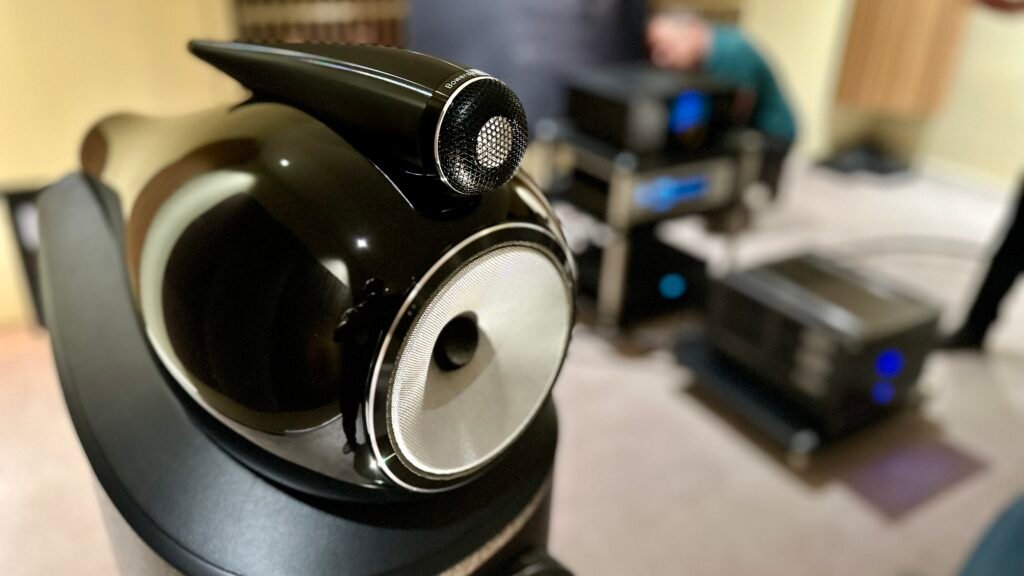
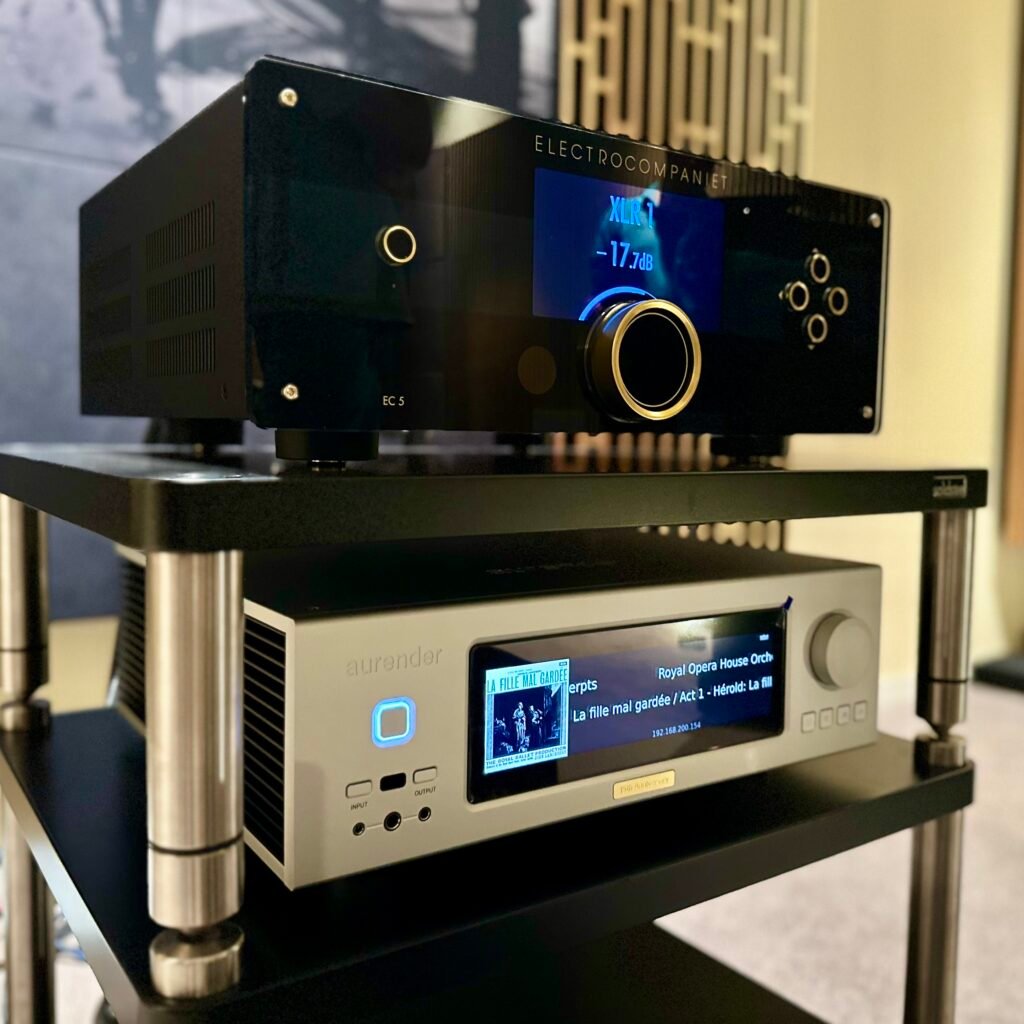
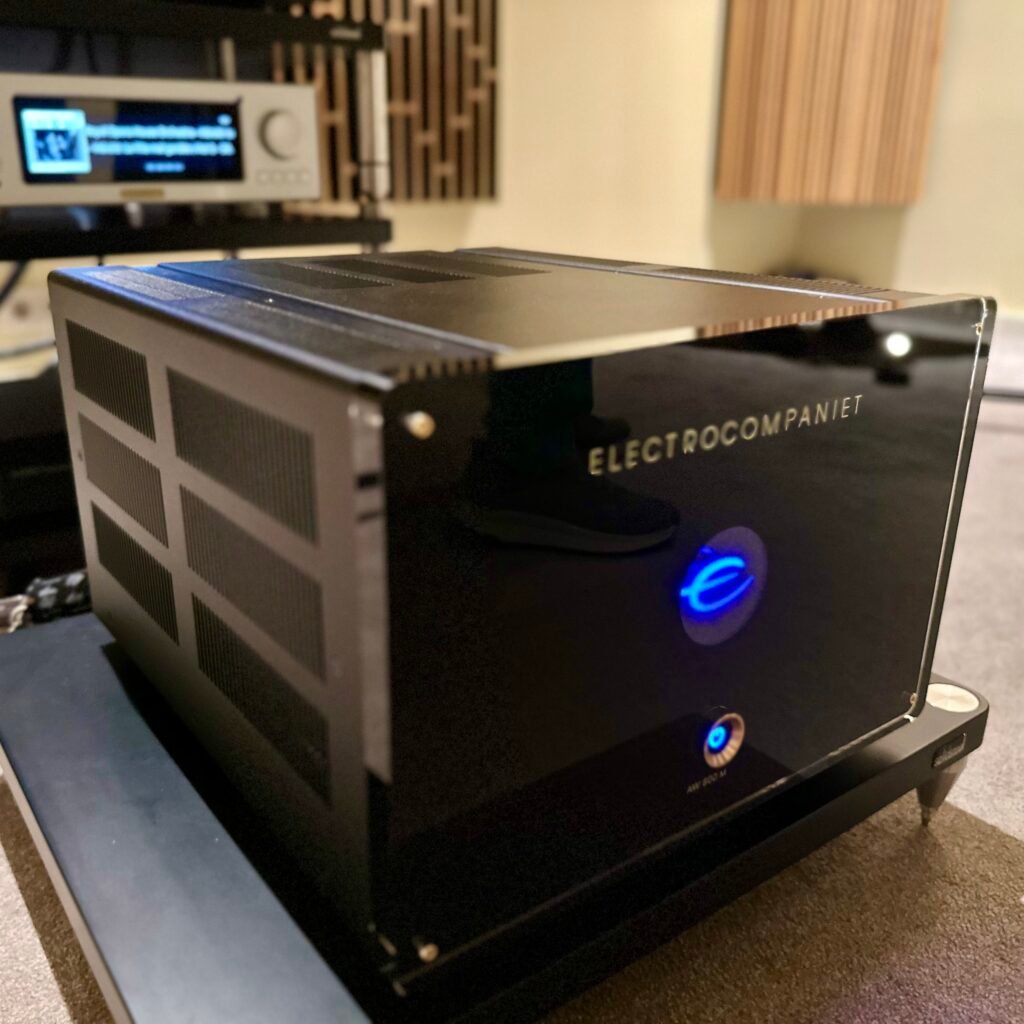
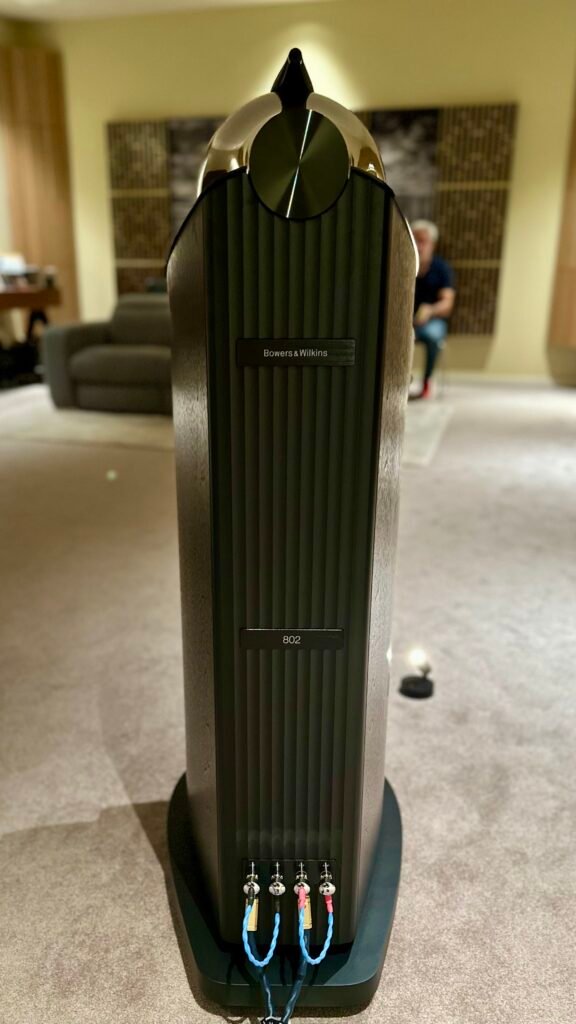
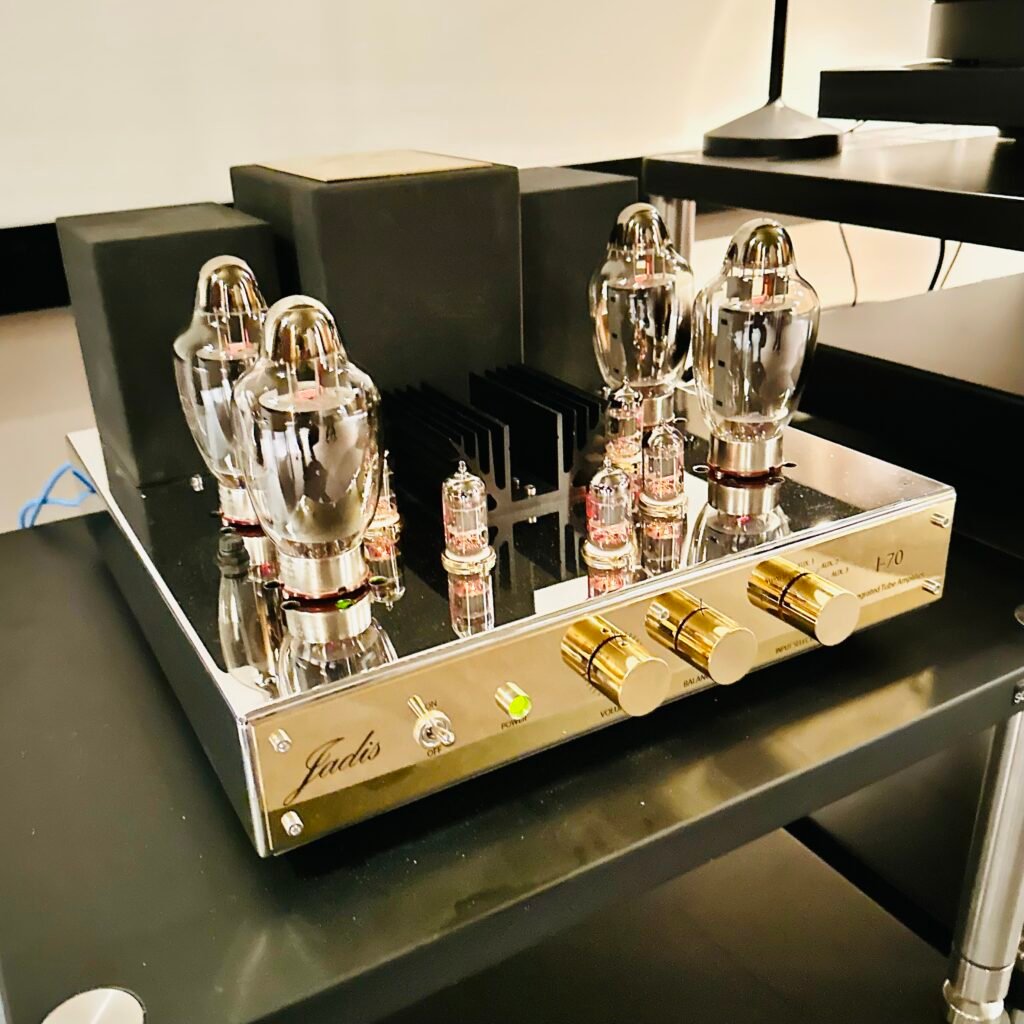
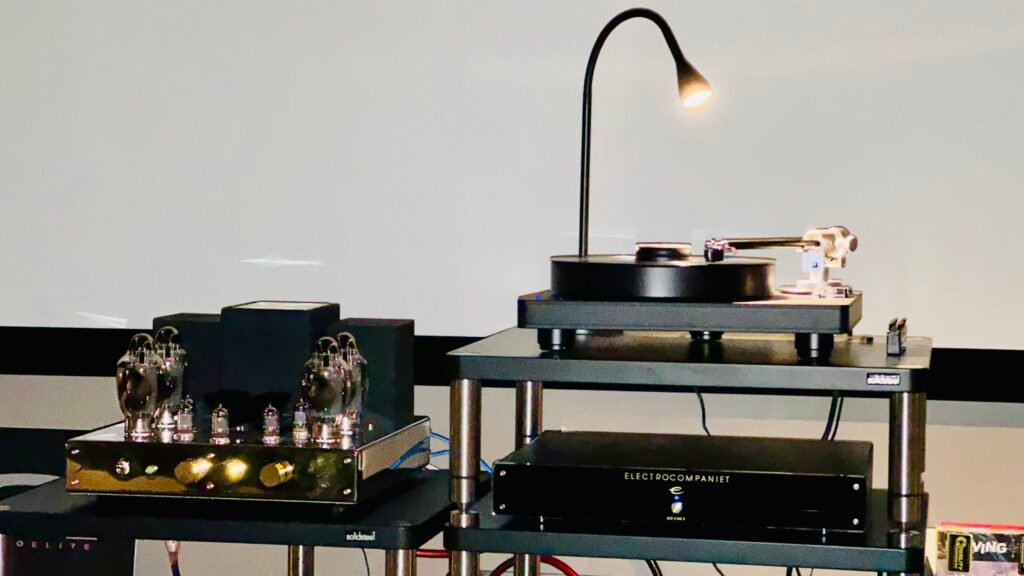
In one room, the Aurender A1 15th Anniversary streamer with integrated DAC was paired with the B&W 802 D5 floorstanders, which I have already discussed in my comparison of the British manufacturer’s D5 and D4 generations of the 800 Series. This system was powered by Electrocompaniet, with AW-800 power amplifier and EC-5 preamplifier, Turnbull and Siltech cabling, and Isotek Aquarius power conditioner. In the other room, Revival Atalante 7 Évo loudspeaker were driven by the Jadis I-70 Class A valve integrated amplifier, which I will be reviewing here in the coming days. This system played vinyl exclusively, with records spinning on a Clearaudio Performance DC turntable, fitted with a Satisfy Cardan tonearm with an Artist Ebony V2 MM cartridge. Phono pre-amp was the Electrocompaniet’s ECP-2 MkII. Cabling came from Siltech and Oyaide, with Isotek Sirius power strip distributing the power.
The stage was set. Which system would emerge victorious?
Round One: The B&W 802 D5 and the Digital Argument
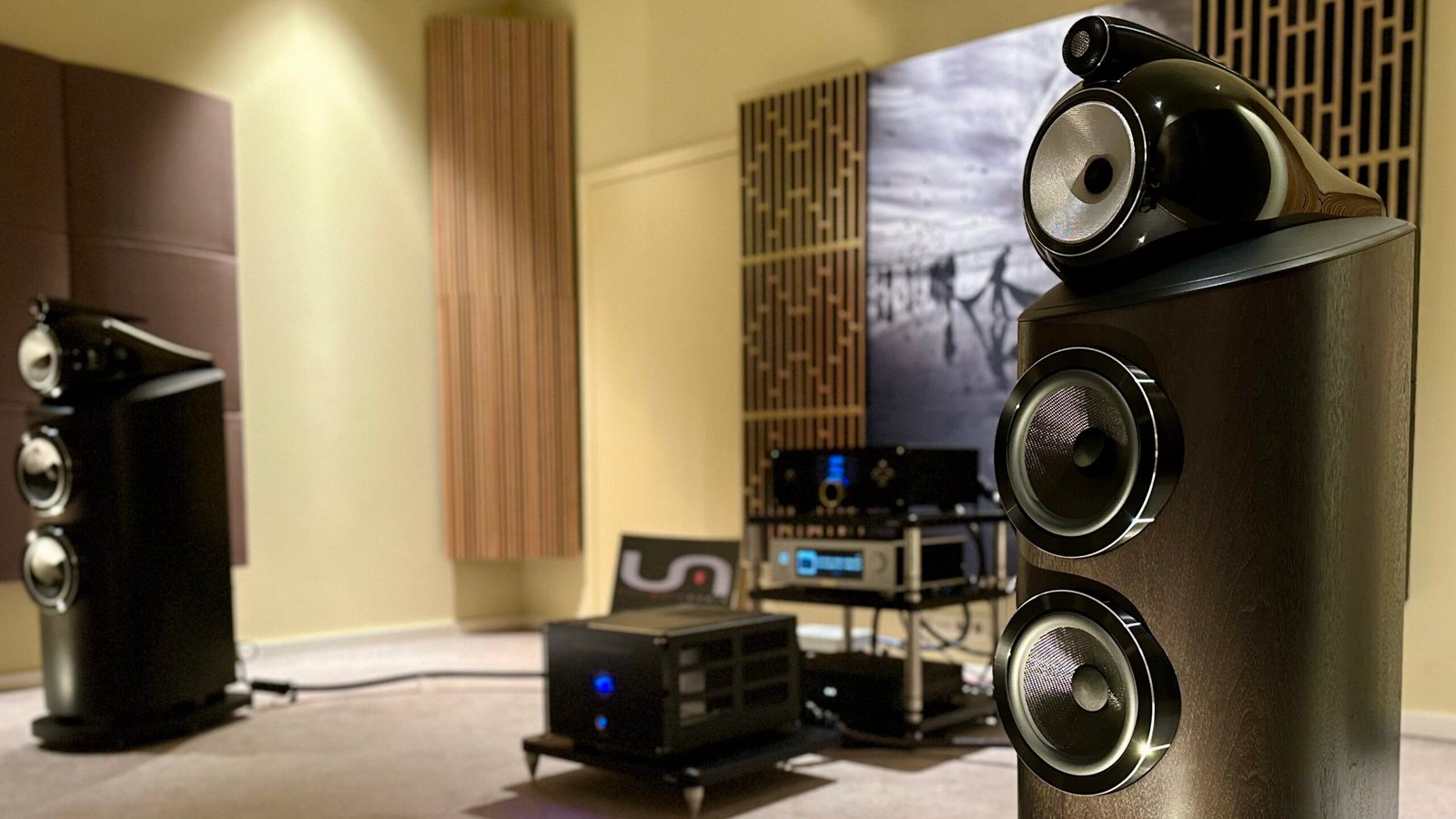
The main room at Ultimate Audio Porto has acoustic treatment specifically designed for stereo systems, and the B&W 802 D5 took the front stage at this session. In my previous comparison of 800 Series D4 and D5 generations, after listening to the loudspeaker at B&W’s Development Centre, I concluded that the new generation represented a significant leap forward. Rather than simply impressing through technical specifications, it seemed more concerned with forging a stronger connection between the listener and the music.
But that is not what many of you who read that article are waiting for me to talk about, is it? Yes, I know. In that piece, I also discussed a characteristic I have noticed in the brand’s tweeters. With the exception of the flagship 801 model, whose tonal balance struck me as particularly exceptional, I came away with the impression that the tweeters in the other models tended to push themselves ahead of the rest of the musical spectrum, at least in the system I heard in Southwater.
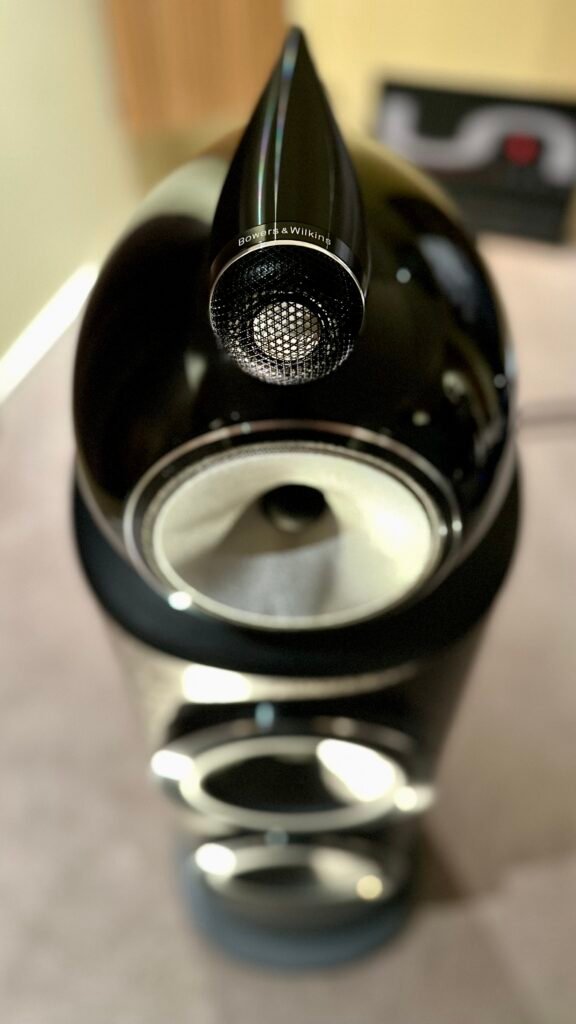
In the stereo room, with Electrocompaniet amplification and an Aurender source, there were moments when I would still have preferred the B&W tweeters to be a little less prominent. Adío Querida, by Noa Noa, was one such example. Even so, I left the event with a more favourable impression than I had taken away from listening to the speaker in the manufacturer’s own room. It is a reminder of the importance of system matching and room acoustics. In audio, what holds true for one system does not necessarily hold true for another. But that is a discussion for another occasion. Reading my earlier article will help put these observations into context and explain what I mean by the sonic character of the 802 D5 and the wider range, without repeating the whole argument here.
Then came Dire Straits. On You and Your Friend, the slide guitar seemed to glide through the room towards me. It did not quite match the way I have heard it with a pair of Avantgarde horn loudspeaker do this in the same room, admittedly, but it brought more body than the German ones.
These differences matter not because I want to reduce the experience to a contest of individual attributes. What one loudspeaker does exceptionally well, another may approach in a different way. The point is to understand what each system does to the music, and how our own preferences fit into that experience.
Speaking of horns, Take Five, by Kenichi Tsunoda Big Band, provided another example of how the 802 approached territory in which the Avantgarde speaker had impressed me, also in this same room. The brass had an incisive attack, almost as sharp as a Japanese sword.
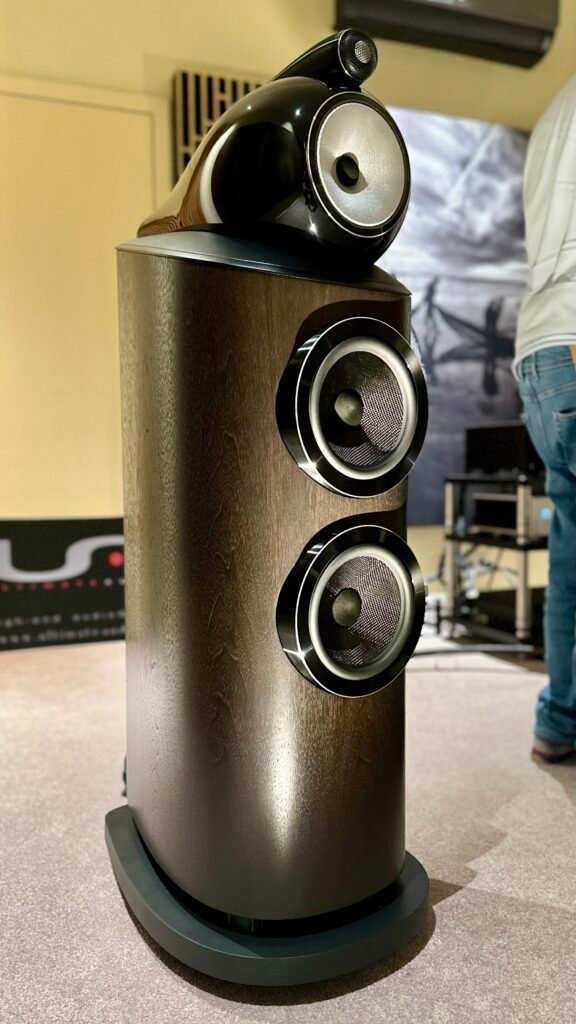
But once again, when it came to mass, the 802 deserved my congratulations. And the scale! It confirmed what I had already heard with the Gryphon Apex amps in England. That sense of scale became even more apparent with La fille mal gardée, Storm and Finale, performed by the Orchestra of the Royal Opera House under John Lanchbery. The soundstage stretched from one wall to the opposite one, with the different orchestral sections clearly delineated in layers. It genuinely felt as though the orchestra was right there in front of us.
These are some of the concrete moments that stayed with me. And they have already led me to a provisional conclusion: a digital system can deliver a listening experience that goes well beyond the pursuit of detail. Body, scale and involvement matter too.
So far, digital did not seem to need any help.
But the battle was only halfway through.
Round Two: Francisco, Satchmo and Vinyl
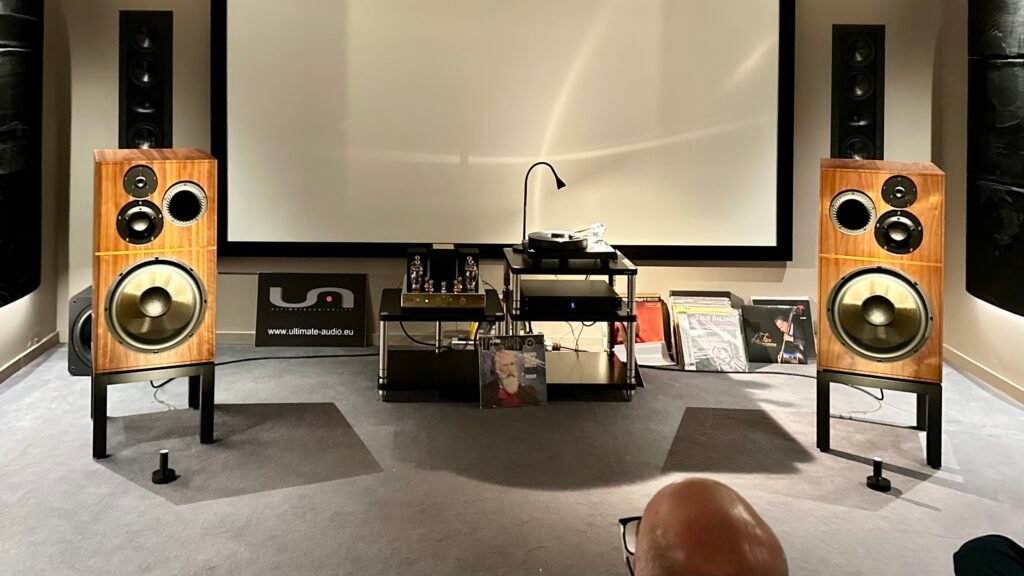
Room Two was designed for home-cinema demonstrations, with its three-dimensional acoustic treatment. The fundamental difference from the first room was simple: vinyl only. A different kind of calm. Complete side of each record. Dimmed lights.
Francisco treated us to a fine selection of jazz. He began with True Ballads by Archie Shepp Quartet, moved on to Voodoo by Sonny Clark Memorial Quartet, and then brought us to Satchmo Plays King Oliver by Louis Armstrong.
Of course, we did not get the same resolution as with the digital system. Of course we didn’t.
What did we get? A whole lot of music. In the most organic sense of the expression.
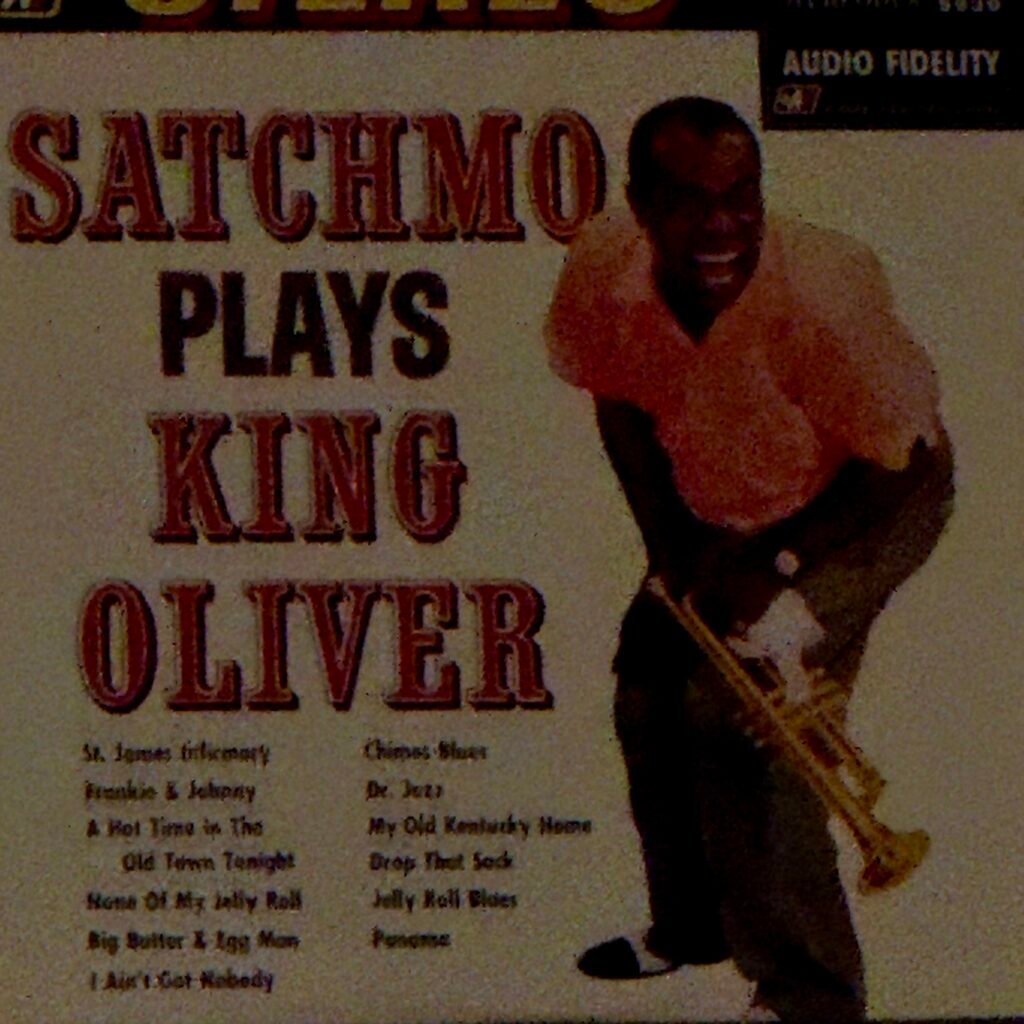
Satchmo, as far as I am concerned, sounded as he should. As it makes sense to hear him. I have tried listening to this music at home, but unfortunately I do not own this record. I sometimes play a track or two on Qobuz, but it is not the same.
The music draws you in. Not necessarily keeping you in your seat, because when the music makes you want to dance, you dance. And if you do not get up, at least your feet refuse to stay still.
You will not find that quality listed in the specifications of a turntable or cartridge. Nor does anyone seem to know how to translate it into a measurement. It was simply what I felt.
Francisco’s selection continued with LaFaro by Brian Bromberg, Brahms’s Violin Concerto, performed by Jascha Heifetz and Fritz Reiner, and Autumn Leaves by Jacintha. There was also room for Dead Bees on a Cake by David Sylvian.
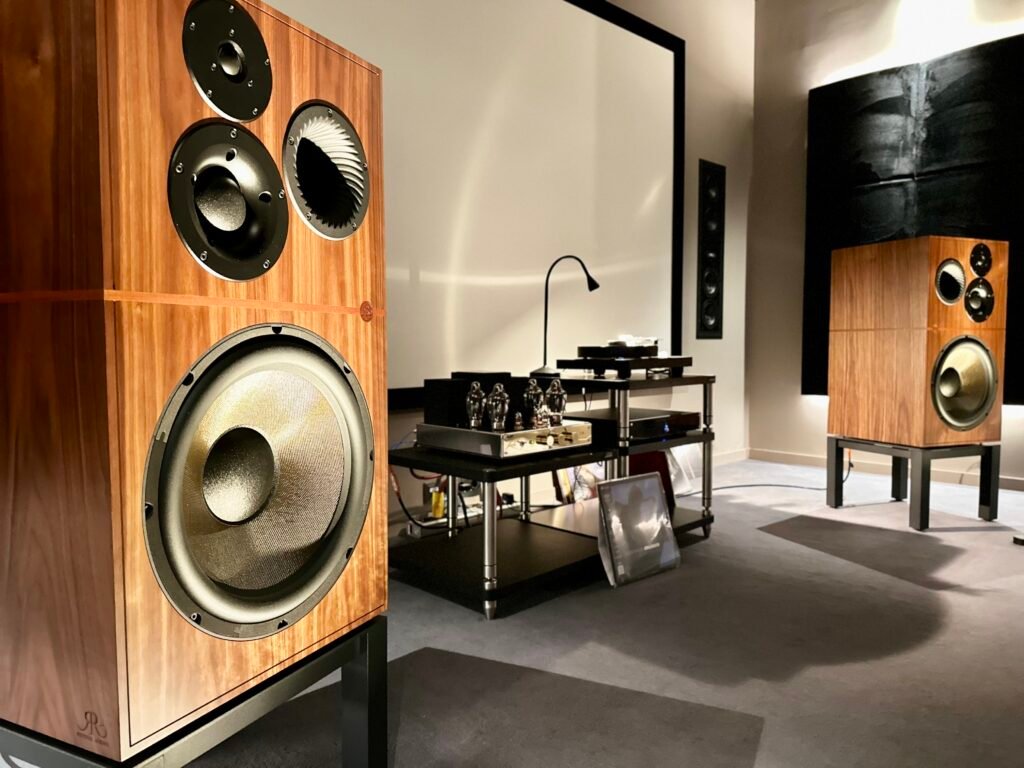
I am not going to attribute everything I felt to Jadis and Revival combination alone, or even to the cartridge or phono stage in isolation. I was listening to a complete system, with an analogue source, a particular combination of components and a musical selection in which every element contributed to the experience. It would be intellectually dishonest to turn this session into definitive proof that this amplifier or that format is superior.
But it would be equally dishonest to dismiss the experience simply because it cannot be captured in a table of contents.
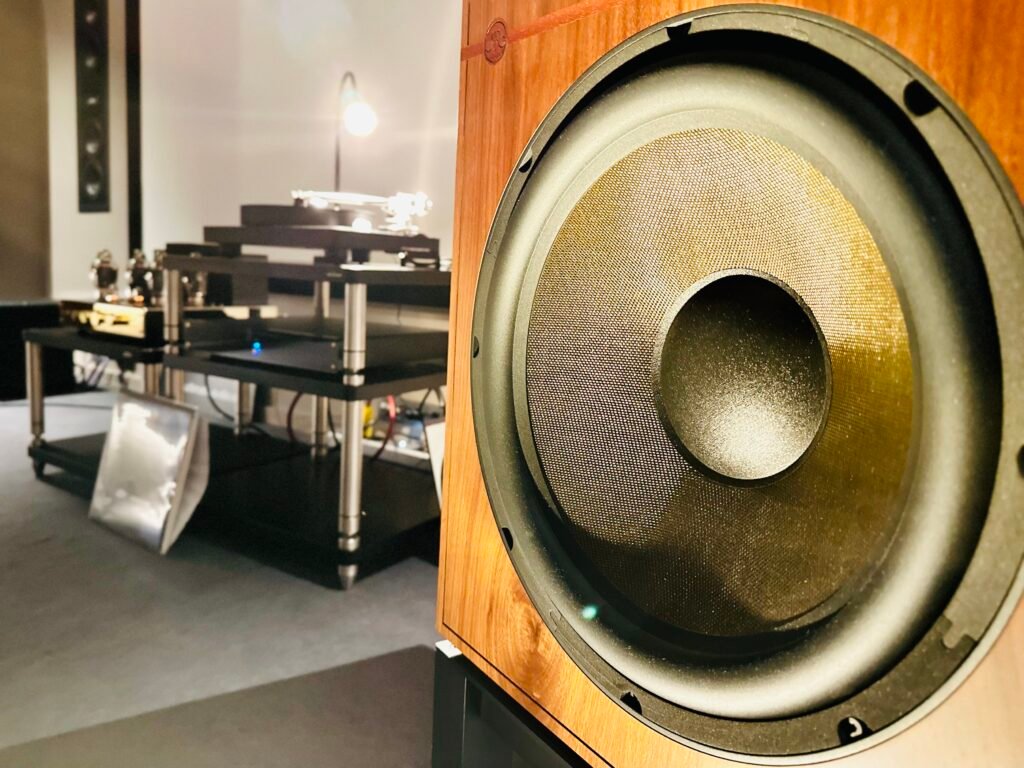
What stayed with me was the umbilical connection that vinyl reproduction can establish between the listener and the music. At some demonstrations, after a while, the urge to escape can become overwhelming. Sometimes the volume is simply too high; perhaps, too, digital has a tendency to wrap music in a hard shell that eventually wears the ears down. Not this time. I arrived at half past two and stayed until the session was almost over, at around seven.
There was the urge to dance. And there was the feeling that, for once, I was no longer trying to work out what the system did better or worse. Was the soundstage narrow or wide, flat or deep? Were the bass notes dry, bloated, or whatever other audiophile adjectives we might care to throw at them? I was simply listening. Enjoying myself.
And that complicated things.
So, What Are We Actually Comparing?
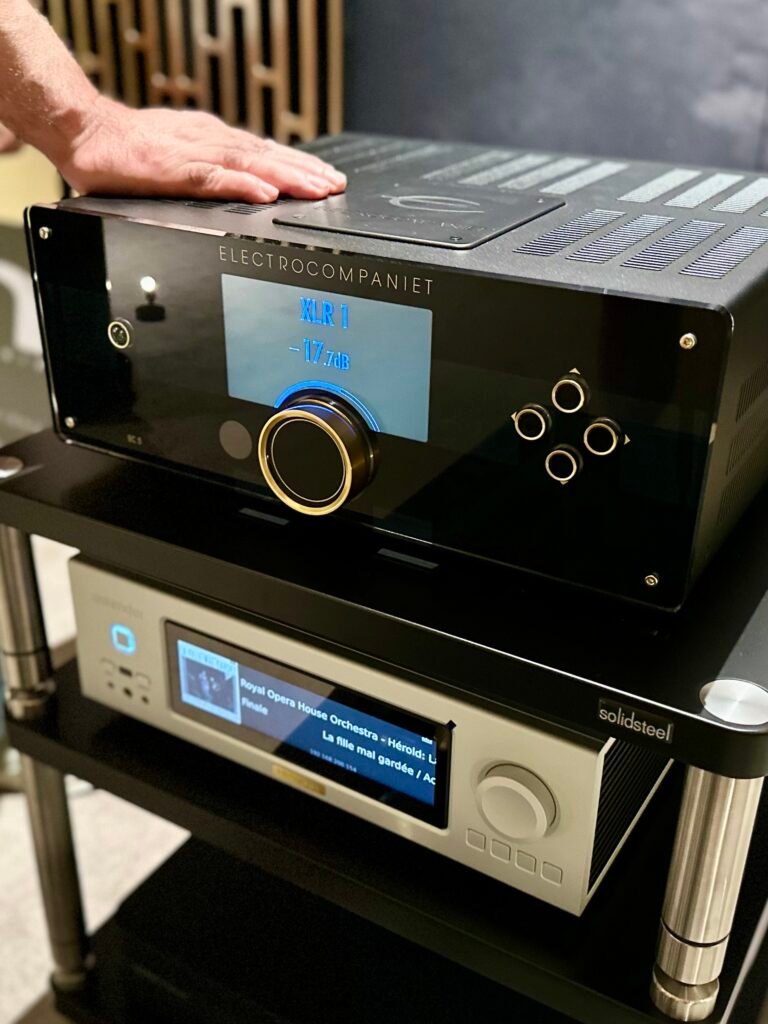
If detail were the only criteria, choosing a winner would be easy. In the B&W 802 D5 room, I also found body, scale and a degree of involvement that reinforced my impression of the evolution of the 800 Series and its particular synergy with Electrocompaniet amplification and the Aurender. Mark Knopfler’s slide guitar ventured into territory where horn loudspeaker often excel, but with real weight behind the sound. And the orchestra occupied a soundstage that placed its different sections in front of me, both in width and depth.
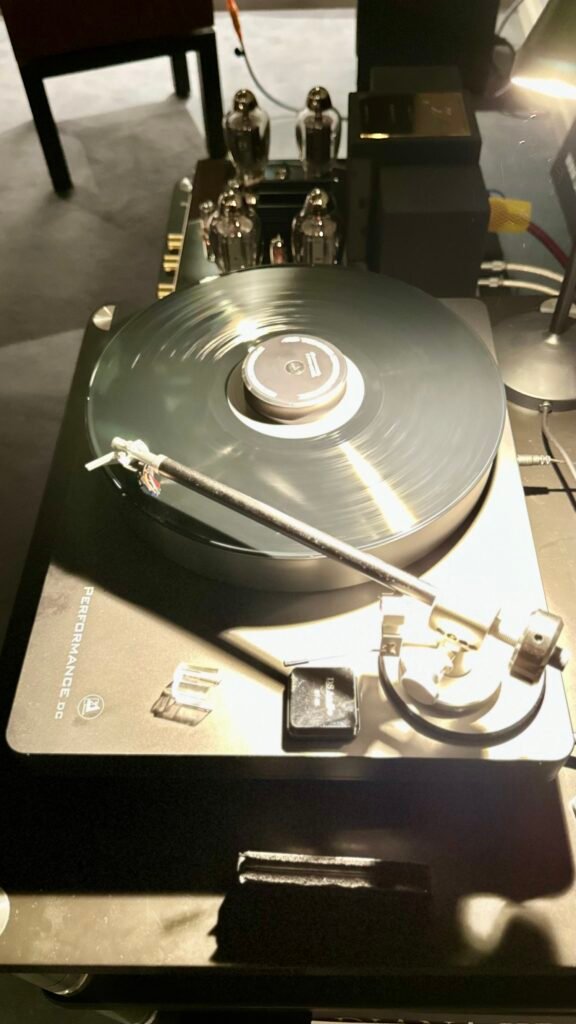
In the room with Atalante 7 Évo, Jadis I-70 and vinyl exclusively, I found a different way of relating to music. We were not even treated to a top-of-the-range moving-coil cartridge. The Clearaudio Artist Ebony V2 is a moving-magnet design. And yet the experience never left me wondering what might theoretically be missing from the system. Nor did I forget about resolution. It was there. It simply stopped being an important consideration at that moment.
Does that prove vinyl is better?
No.
It proves that, during that session, with that combination of components and that music, the analogue experience created a particularly strong connection with what I was hearing. It is not a universal conclusion, nor a reason to dismiss digital. In audio, whenever someone throws universal truths at you, be suspicious! This is simply my personal observation, shared precisely because I do not claim it to be anything more than that.
Perhaps the problem lies in our tendency to take sides in the first place. Once we choose one, we start looking for arguments to defend it. Along the way, we risk overlooking anything that fails to confirm our expectations.
We had a battle here, with digital on one side and analogue on the other. I know which way my ears tend to pull me. I will not hide my preference. But I leave without declaring a winner, and with a more interesting question than the one I arrived with: are we confusing the ability to analyse sound reproduction with the ability to be moved by music?
I do not have a definitive answer. And, honestly, I don’t want to make one up.
The War Goes On. So Does the Music.
I had the Jadis I-70 in my own system for a month, allowing me to examine it more closely, with another Revival Atalante model. That is another reason I have not wanted to reveal too much about the review you will be able to read here in the coming days. It will be a different conversation, with time to get to know the amplifier better and assess its behaviour in the context of a dedicated review.
I will not hide which way my ears lean. The digital system showed me that detail does not have to come at the expense of body, scale or involvement. The analogue system, meanwhile, made me forget the urge to analyse the sound for hours, and just listen to music.
For the next time I want Satchmo to make me forget about resolution, I have a project for the coming days: find this record and buy it.
If only every war could be settled in a record shop.
Pingback: Vinil contra digital. As primeiras Ultimate Sessions da temporada - MoustachesToys | High-End Audio Reviews & Experiences
Pingback: B&W 800 Series D5 vs D4. Not a Review - MoustachesToys | High-End Audio Reviews & Experiences