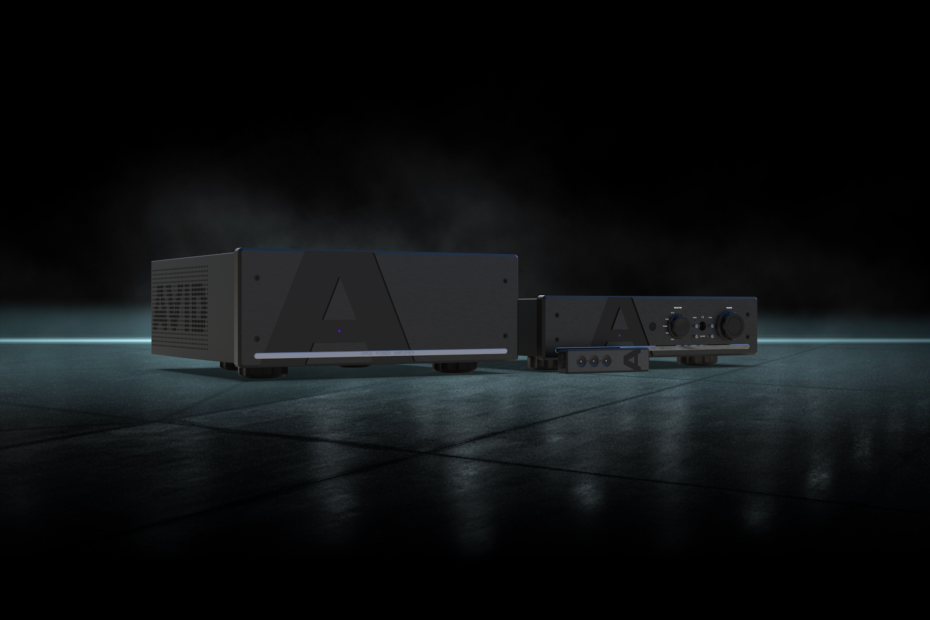
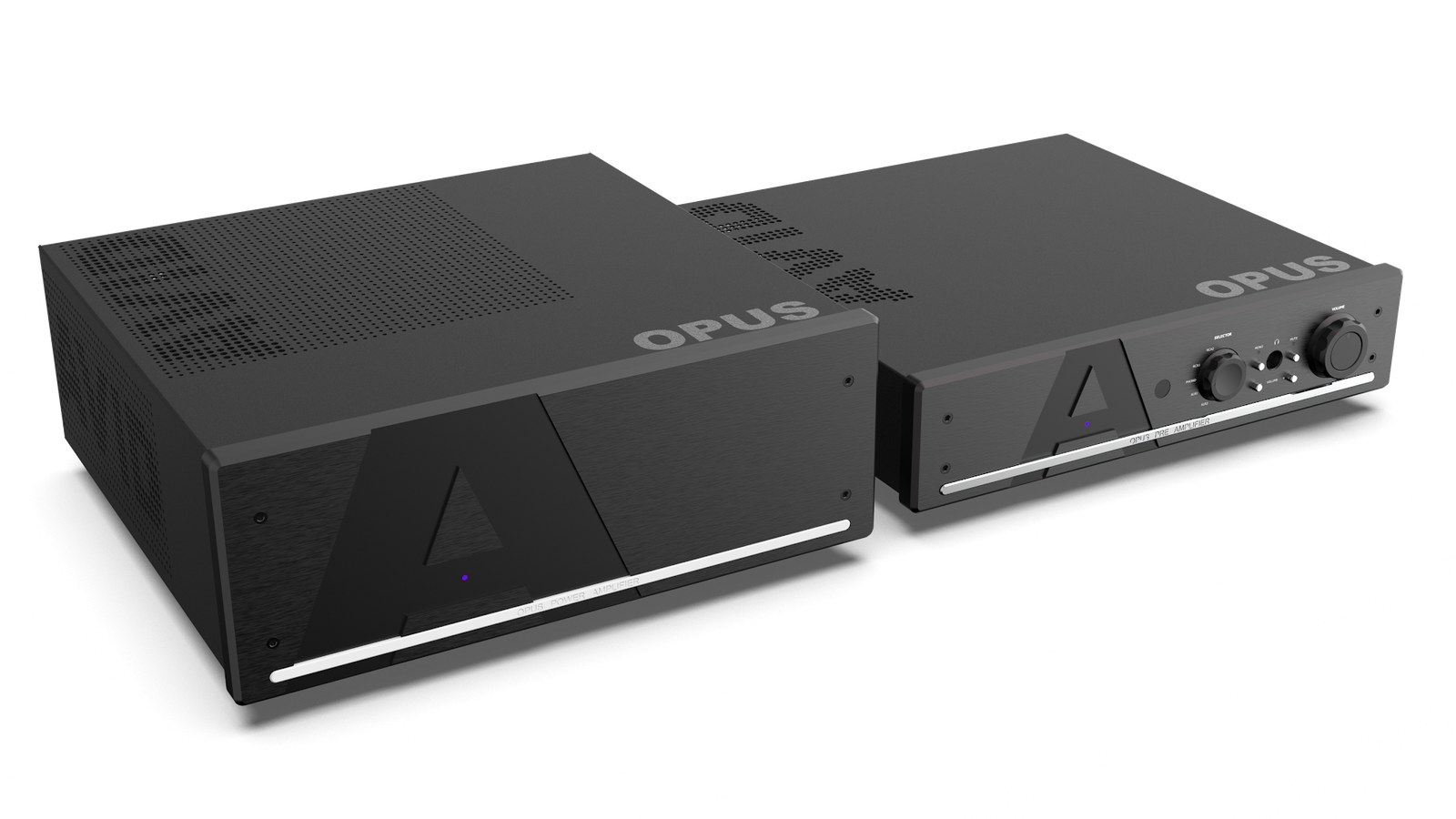
A press release isn’t news for me. It’s raw material. And what AVID sent out yesterday — a new preamplifier and power amplifier, the OPUS Pre and OPUS Power — only became interesting to me once I set it aside and refused to write the obvious.
The obvious would be a specs list. I’ll get to that, briefly, because it isn’t the point.
A question I’d already asked
Almost two years ago, I asked Conrad Mas, AVID’s founder and CEO, whether it wouldn’t make sense for the brand to move into digital, given where the market was so visibly heading. I won’t put quotation marks where they don’t belong — but I remember the substance of the answer clearly: short, direct, no “we’re evaluating it.” Just a flat “no”.
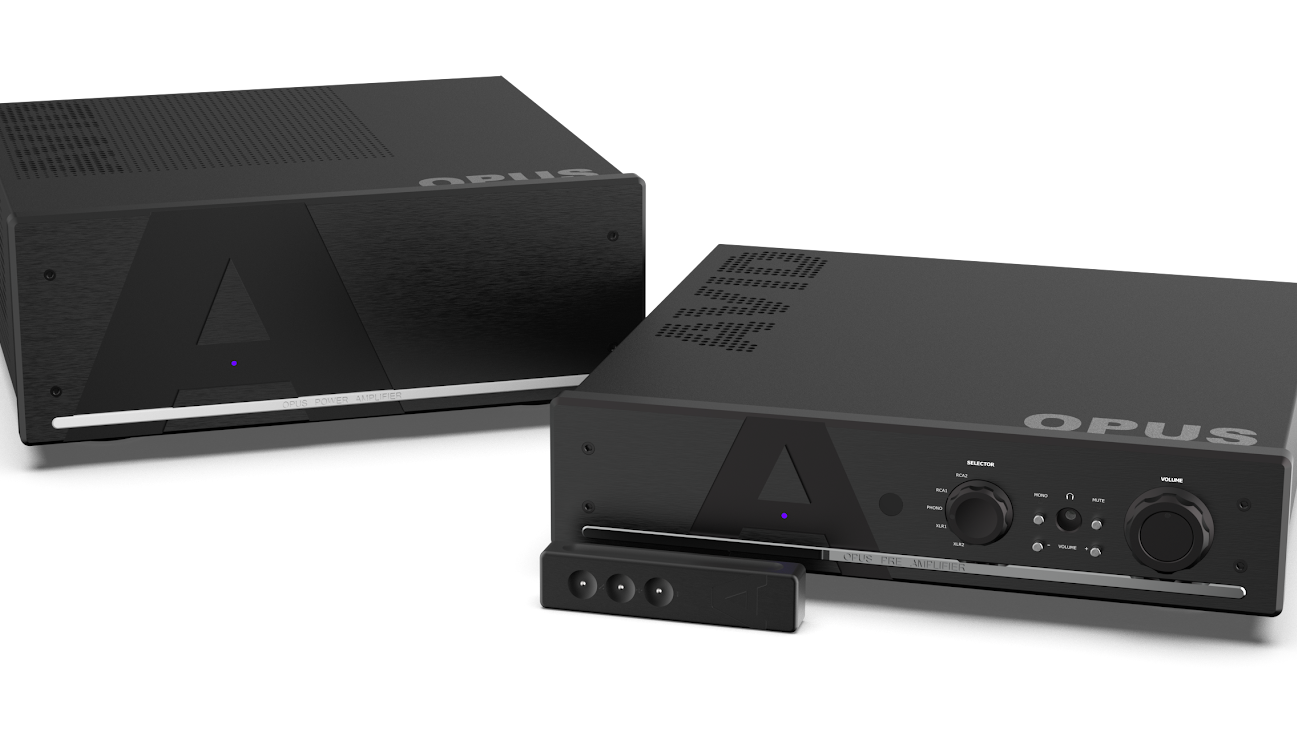
That stuck with me since, unlike some things said in press interviews, it held up over time. The OPUS Pre and OPUS Power carry no streamer, no DAC, no mention of a digital layer at all. That’s consistent with the pattern AVID has followed with every launch of the last few years — not exactly a surprise coming from this brand, but confirmation that the “no” was never interview rhetoric. It is a commitment.
What the press release says — and what it doesn’t
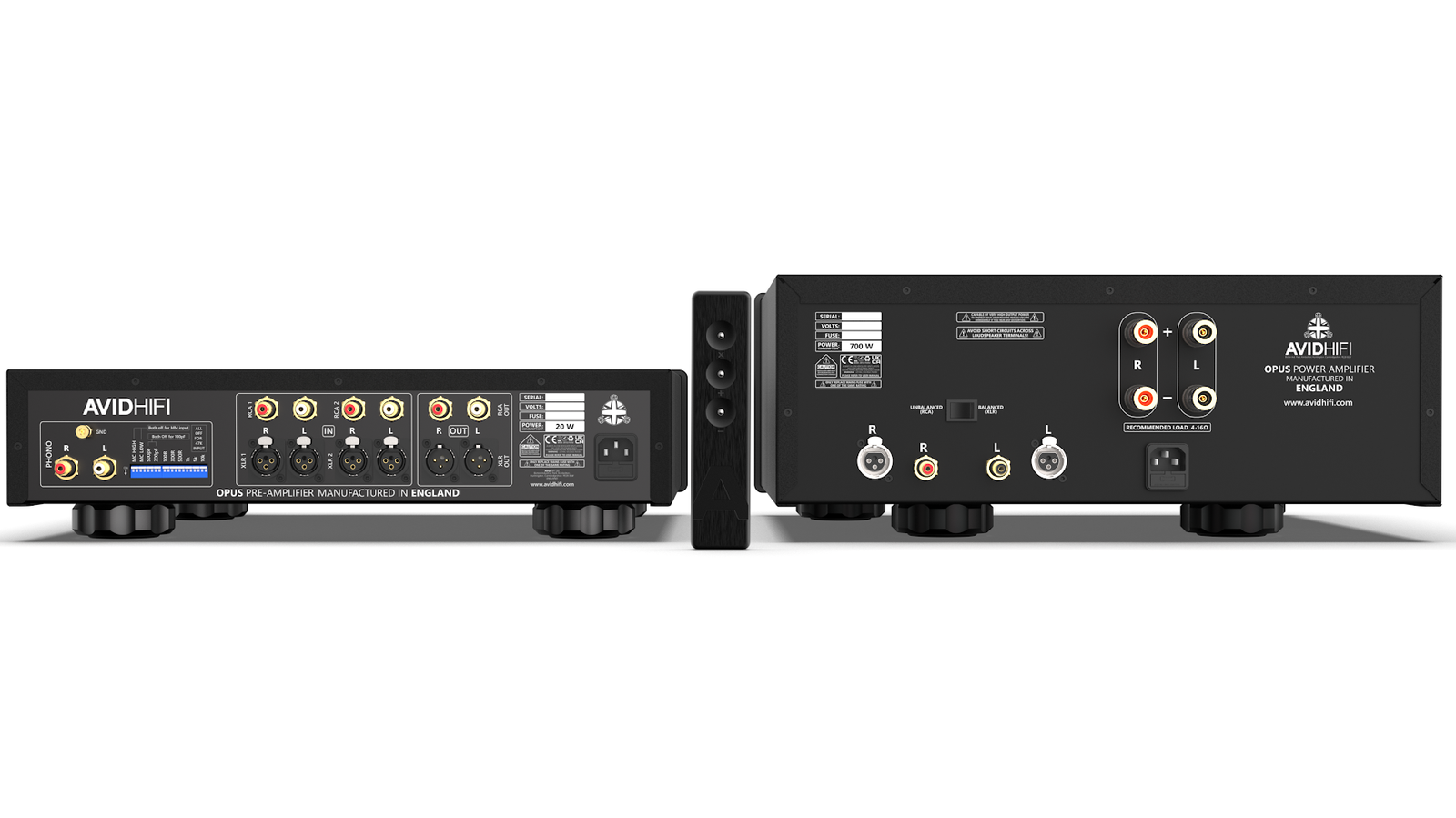
The technical essentials: the OPUS Pre uses the ALPS RK50 volume control with newly added remote operation, inherits the analogue topology and in-house polypropylene capacitors from the flagship CELSUS Pre, and integrates the recent Pulsus II phono stage with its own dedicated transformer. The OPUS Power runs on a 1.1kVA toroidal transformer and 132,000μF of reservoir capacitance. These are numbers AVID itself supplies — I’ll come over these again when I have the chance to hear these beasts.
The question actually worth asking
What interests me here isn’t whether AVID is right to refuse digital. It’s what that refusal costs — and what it buys.
It costs reach. A buyer entering the hobby today through streaming won’t find AVID an obvious door in. That’s a deliberate niche choice, not an accident, and it comes with a market-volume price the brand seems willing to pay.
In exchange, it buys something rare: consistency over time. In an industry where some manufacturers redesign their catalogue every fashion cycle — DSP one year, integrated streaming the next, room correction after that — finding a brand that systematically resists the temptation is, at minimum, worth noting. It’s no guarantee, in itself, of sound quality. It is a guarantee that when you buy AVID, you know what you’re buying — and that the philosophy behind it will likely still be there in at least five years.
It’s worth asking whether that bet is sustainable long-term, or whether it’s the kind of positioning that only works while the brand stays the right size not to need to scale. I don’t have a definitive answer. What I do have is my reference analogue system built around the AVID Ingenium turntable with a Pellar phono stage — which means the brand’s philosophy has already, very practically, shaped how I listen to music every day before I ever write these words. That doesn’t make me partial in any way. It makes me, at least, informed about what I’m talking about.
Not a verdict
This piece isn’t a review. I haven’t heard the OPUS Pre or OPUS Power, and any opinion on how they sound will have to wait. What’s left isn’t an answer handed to the reader — it’s a question: at a time when most of the audio industry defines itself by how many features it can stack on, what’s gained — and what’s lost — when a brand decides, year after year, to stack on less?
Price and availability:
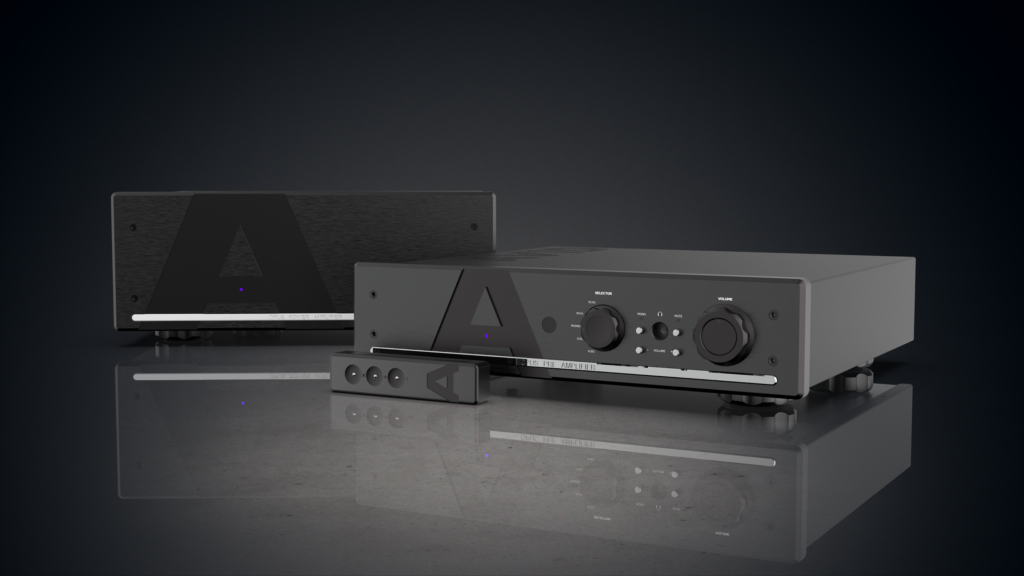
OPUS Pre — £15,995 / €24,995 / $29,995
OPUS Power — £14,995 / €22,995 / $27,995.
Both available through authorised AVID retailers worldwide.
If you like how we cover the world of audio around here, you can always subscribe to the Mous’letter, MoustachesToys newsletter — you won’t find what’s in it anywhere else:
Pingback: A pergunta a que a AVID não muda a resposta - MoustachesToys | High-End Audio Reviews & Experiences